
Non-Owner SR-22 Insurance — Tennessee
Free to compare
Non-Owner SR-22 Solves the No-Car Filing Gap
Your Tennessee license was suspended for DUI, uninsured driving, or excessive points. You sold your car months ago or never owned one. The Tennessee Department of Safety and Homeland Security still requires SR-22 filing before you can petition for a restricted license or complete full reinstatement. This creates a procedural dead end: you need insurance to file SR-22, but standard auto policies require you to own and insure a specific vehicle.
Non-owner SR-22 insurance exists specifically for this gap. It provides the state-minimum liability coverage Tennessee requires ($25,000 per person / $50,000 per accident bodily injury, $25,000 property damage) without requiring you to own or register a vehicle. The policy covers you when driving a borrowed car, rental, or employer vehicle. The carrier files SR-22 electronically with Tennessee Department of Safety and Homeland Security within 24-48 hours of policy binding.
“Non-owner policies cost 40-60% less than standard auto SR-22 because they exclude collision coverage and carry no vehicle registration exposure.”

Have Your Tennessee Proof of Insurance Ready
Get My Tennessee Suspended License Insurance Quote$35–$65/mo
TN Non-Owner SR-22 Premium
Non-owner policies cost 40-60% less than standard auto SR-22 because they exclude collision and comprehensive coverage and carry no vehicle registration exposure. Clean-record suspended drivers pay closer to $35/mo; DUI cases with recent violations trend toward $65/mo.
Carrier rate filings for non-owner liability products, Tennessee market
What Non-Owner SR-22 Actually Covers
Non-owner SR-22 provides liability-only coverage when you drive a vehicle you do not own. If you borrow a friend's car and cause an accident, your non-owner policy pays bodily injury and property damage claims up to Tennessee's minimum limits. The friend's insurance is primary; your non-owner policy functions as secondary coverage when their limits are exhausted or when you drive a vehicle with no existing policy.
The policy does not cover damage to the vehicle you are driving. It does not cover your own medical bills unless you add optional medical payments coverage. It does not apply to vehicles you own, lease, or have regular access to — if you later buy a car, you must convert to a standard auto policy immediately or face a coverage gap that voids your SR-22 filing.
Non-owner SR-22 satisfies Tennessee's financial responsibility requirement during your suspension period and after reinstatement. You maintain continuous coverage to avoid triggering Tennessee's Insurance Verification System (TIVS), which reports lapses directly to the Department of Safety and can extend your suspension or trigger registration suspension under TCA § 55-12-139.

Tennessee requires three years of continuous SR-22 filing after DUI reinstatement — a single lapse resets the clock and triggers immediate re-suspension.


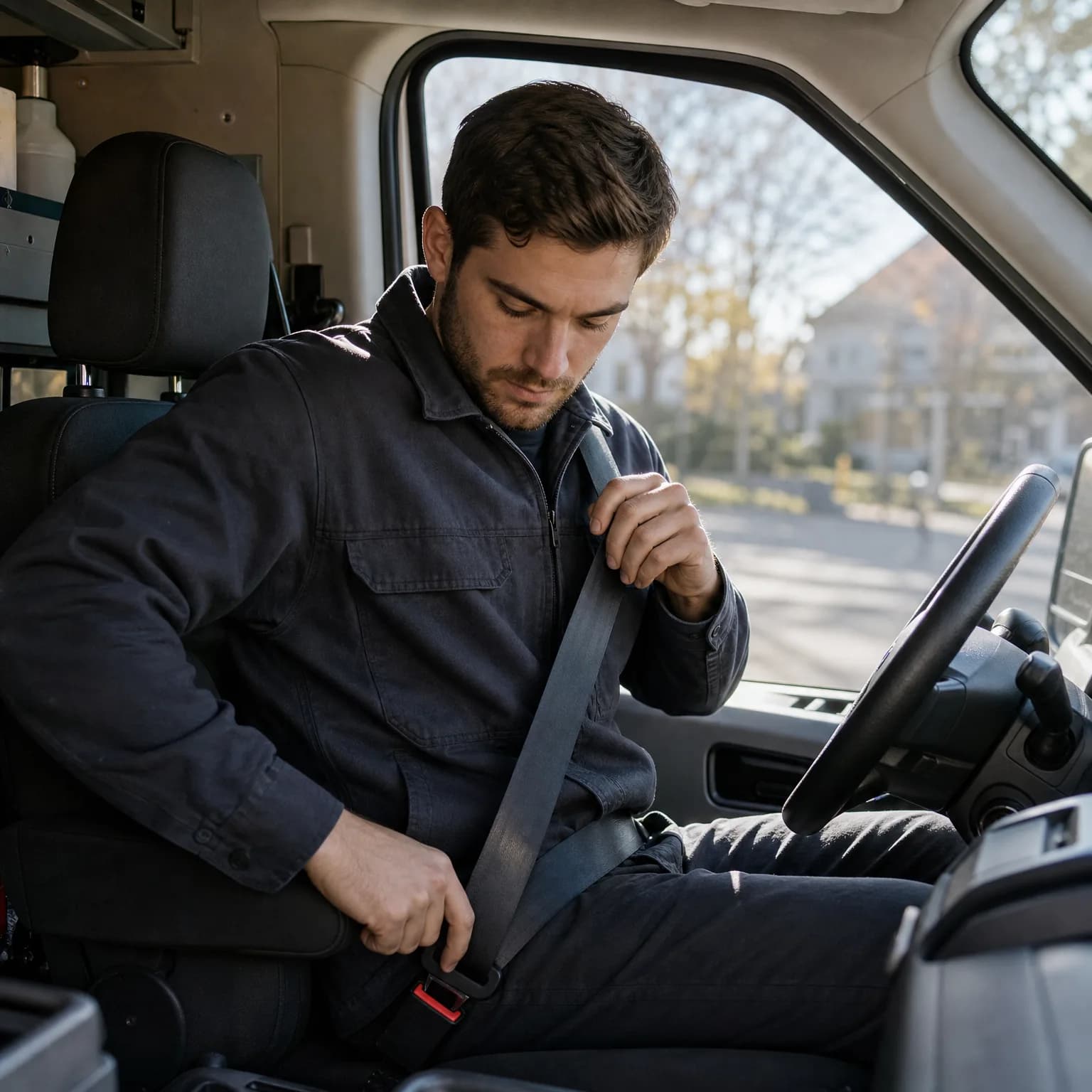




Court-Ordered Restricted License With Non-Owner SR-22
Tennessee grants restricted licenses through county court petition, not administrative issuance by the Department of Safety. You must serve any mandatory hard suspension period (varies by offense — first DUI carries no universal hard period, but judicial discretion and ignition interlock requirements complicate eligibility), then file a petition with the court that ordered your suspension. Required documentation includes proof of hardship (employment verification letter on company letterhead, medical appointment schedules, or court-ordered treatment enrollment confirmation), proof of SR-22 filing, and proof of enrollment in or completion of alcohol/drug treatment programs for DUI cases.
Non-owner SR-22 satisfies the insurance filing requirement for restricted license petitions. The court defines allowed routes (typically work, school, medical appointments, and court-ordered treatment) and time windows (hours specified in the court order, usually limited to necessary travel windows). Driving outside approved routes or times violates the restriction and triggers automatic revocation plus criminal charges for driving on a suspended license.
DUI-related restricted licenses require ignition interlock device installation for the entire restriction period under TCA § 55-10-414. Non-owner SR-22 holders face a structural complication: ignition interlock devices must be installed in a specific vehicle, but non-owner policies assume no regular vehicle access. Practically, this means you must identify a specific vehicle you will drive regularly (employer vehicle, family member's car with written permission, or a vehicle you lease short-term), install the interlock device in that vehicle at your expense ($70-$150/month including calibration), and maintain the device for the court-ordered period even though your insurance policy is non-owner.
$65
TN Reinstatement Base Fee
Tennessee charges a $65 base reinstatement fee for standard suspensions. DUI convictions and serious violations carry higher combined fees through separate court fines and program costs. The $65 administrative fee is paid to Tennessee Department of Safety and Homeland Security after you satisfy all suspension conditions, including SR-22 filing and restricted license completion if applicable.
Tennessee Department of Safety and Homeland Security reinstatement fee schedule

When Non-Owner SR-22 Does Not Apply
Non-owner SR-22 only works if you genuinely have no regular access to a vehicle. Tennessee defines regular access as any vehicle registered to your household, any vehicle titled in your name, any vehicle you lease, or any vehicle you drive more than twice per week on a predictable schedule. If you live with a spouse, parent, or roommate who owns a car, carriers consider that regular access and will not issue a non-owner policy — you must be listed as a rated driver on the household policy instead.
If you buy, lease, or register a vehicle while holding a non-owner SR-22 policy, you must notify the carrier within 30 days and convert to a standard auto policy. Failure to convert creates a coverage gap: the non-owner policy excludes owned vehicles, so you drive uninsured even though you hold an active policy. Tennessee's TIVS system flags the registration without matching insurance and reports the lapse to the Department of Safety, triggering suspension.
Compare Non-Owner SR-22 Carriers in Tennessee
Non-owner SR-22 pricing varies significantly by carrier and violation history. Geico and Progressive write non-owner policies for most suspended drivers but price DUI cases 30-40% higher than points-based suspensions. Dairyland, The General, GAINSCO, and Bristol West specialize in high-risk non-owner SR-22 and often quote lower rates for DUI and multiple-violation cases. USAA offers non-owner SR-22 to military members and eligible family members at preferred rates but restricts eligibility.
Request quotes from at least three carriers licensed in Tennessee. Provide your complete suspension notice, court order if applicable, and accurate violation details — withholding DUI or uninsured driving history results in policy rescission and SR-22 cancellation, which Tennessee treats as a filing lapse and extends your suspension. Bind the lowest-priced policy that meets Tennessee's minimum liability limits, confirm electronic SR-22 filing within 48 hours, and verify the filing appears in the Department of Safety database before considering your reinstatement process active.
Tennessee Non-Owner SR-22 Filing Process
Contact a carrier licensed to write non-owner policies in Tennessee. Geico, Progressive, Dairyland, The General, GAINSCO, and USAA all offer non-owner SR-22 products statewide. Provide your driver's license number (even if suspended), suspension notice or court order, and the SR-22 requirement confirmation from Tennessee Department of Safety and Homeland Security. The carrier quotes liability-only coverage at Tennessee minimums, binds the policy immediately upon payment, and files SR-22 electronically with the state within one business day.
Tennessee processes SR-22 filings within 24-48 hours once submitted by the carrier. You do not receive a physical SR-22 certificate — the filing exists as an electronic record in the Department of Safety and Homeland Security database. Verify filing status by calling Tennessee Department of Safety and Homeland Security reinstatement unit at (615) 741-3954 or checking online at tn.gov/safety three business days after policy binding. If the filing does not appear, contact the carrier immediately — processing errors are rare but delay reinstatement by 7-14 days when they occur.
Get Your Free Quote
Get My Tennessee Suspended License Insurance QuoteFrequently Asked Questions
Can I get non-owner SR-22 insurance in Tennessee if I have a DUI?
Yes. Tennessee carriers write non-owner SR-22 policies for DUI suspensions. Expect monthly premiums of $50–$65 compared to $35–$45 for non-DUI suspensions. Dairyland, The General, and GAINSCO specialize in DUI non-owner SR-22 and often quote lower than standard carriers.
How long do I need to keep non-owner SR-22 insurance in Tennessee?
Tennessee requires three years of continuous SR-22 filing after DUI reinstatement. Points-based and uninsured driving suspensions typically require SR-22 for the suspension period plus one year post-reinstatement. A single lapse resets the filing period and triggers re-suspension.
Does non-owner SR-22 insurance cover me if I borrow someone's car in Tennessee?
Yes. Non-owner SR-22 provides liability coverage when you drive a borrowed vehicle. The car owner's insurance pays first; your non-owner policy covers damages that exceed their limits. The policy does not cover damage to the borrowed vehicle or your own injuries.
What happens if I buy a car while holding a non-owner SR-22 policy in Tennessee?
You must notify your carrier within 30 days and convert to a standard auto policy. Failure to convert voids your non-owner coverage for the owned vehicle. Tennessee's insurance verification system flags the registration mismatch and reports a lapse to the Department of Safety, extending your suspension.
Can I get a restricted license in Tennessee with non-owner SR-22 insurance?
Yes. Tennessee courts accept non-owner SR-22 filings for restricted license petitions. You must still meet hardship documentation requirements, complete mandatory treatment programs for DUI cases, and install an ignition interlock device in a specific vehicle you will drive regularly if your restriction stems from DUI.
How much does non-owner SR-22 insurance cost in Tennessee?
Non-owner SR-22 policies in Tennessee run $35–$65 per month depending on violation history. Clean-record suspended drivers pay $35–$45/month. DUI and multiple-violation cases pay $50–$65/month. Non-owner policies cost 40-60% less than standard auto SR-22 because they exclude collision and comprehensive coverage.