
Non-Owner SR-22 Filing — Tennessee
Free to compare
The Non-Owner SR-22 Path Tennessee Doesn't Advertise
Your Tennessee license was suspended for DUI, lapsed insurance, or excessive points. The Tennessee Department of Safety and Homeland Security sent you a reinstatement letter listing SR-22 proof of financial responsibility as a requirement. You sold your car months ago, rely on rideshare, or never owned a vehicle in the first place. Every carrier you called quoted standard auto policies requiring a vehicle on the policy — rates you can't afford for a car you don't have.
Tennessee accepts non-owner SR-22 policies for reinstatement. Non-owner policies provide the state-mandated liability coverage and SR-22 certificate filing without requiring you to own, register, or insure a specific vehicle. Most suspended drivers encounter this option by accident after weeks of dead-end calls to standard carriers. Non-owner SR-22 is a distinct product category — cheaper, faster to bind, and designed specifically for drivers reinstating without vehicle ownership.
“Tennessee accepts non-owner SR-22 for reinstatement — most suspended drivers waste weeks calling standard carriers for vehicles they don't own.”

Have Your Tennessee Proof of Insurance Ready
Get My Tennessee Suspended License Insurance Quote$25–$55/mo
TN Non-Owner SR-22 Premium
Non-owner SR-22 policies in Tennessee typically cost $25–$55 per month for state minimum liability limits, significantly less than standard auto policies requiring vehicle coverage. Clean-record suspended drivers pay toward the lower end; DUI filers and drivers with multiple violations trend higher.
Industry rate data, Tennessee-licensed non-standard carriers, 2025
What Non-Owner SR-22 Actually Covers
A non-owner SR-22 policy provides Tennessee's minimum liability coverage — $25,000 bodily injury per person, $50,000 per accident, $15,000 property damage — when you drive a vehicle you don't own. The policy covers borrowed vehicles, rental cars, or occasional use of a friend's car. It does not cover a vehicle you own, lease, or have regular access to in your household. If you later buy or lease a vehicle, the non-owner policy terminates and you must convert to a standard auto policy with the same SR-22 filing.
The SR-22 certificate is not insurance — it is a state-mandated proof-of-insurance filing your carrier submits electronically to Tennessee Department of Safety and Homeland Security. The non-owner policy is the underlying insurance that makes the SR-22 filing valid. Tennessee monitors your SR-22 status continuously through an electronic verification system. If the policy lapses or cancels, your carrier notifies the state within 24 hours and your license suspends again immediately.
Non-owner policies do not cover physical damage to the vehicle you're driving. If you borrow a car and cause an accident, your non-owner liability policy pays for the other driver's injuries and property damage up to your policy limits. Damage to the car you were driving is covered by the vehicle owner's collision or comprehensive coverage, not your non-owner policy. This is why non-owner premiums run significantly lower than standard auto premiums — the carrier's risk exposure is limited to liability only.

Tennessee requires continuous SR-22 filing for the entire mandated period, typically 3 years for DUI. A single day lapse triggers automatic re-suspension and restarts your SR-22 clock from zero.






When Non-Owner Policies Are Not Allowed
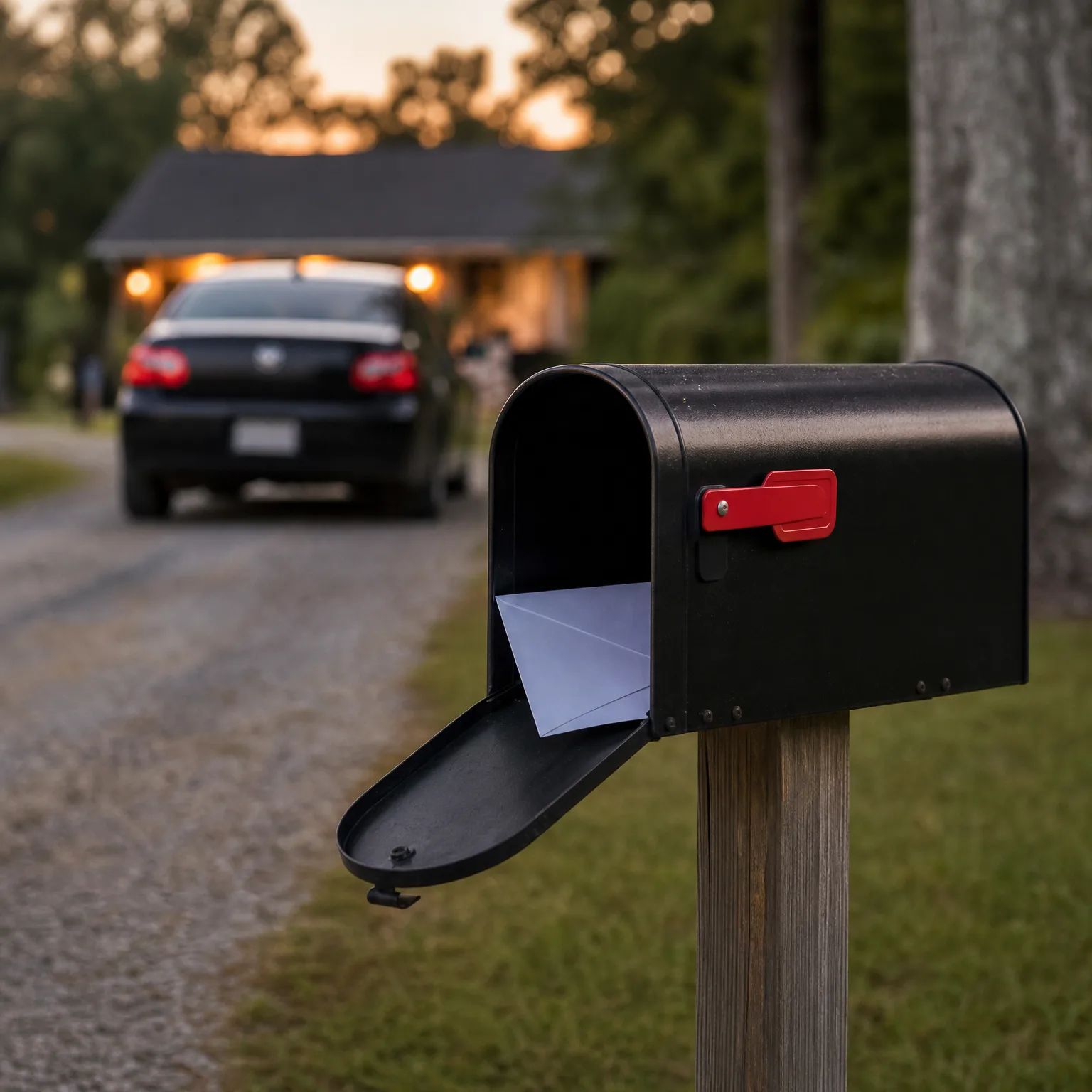
Tennessee prohibits non-owner SR-22 policies if you own a registered vehicle in your name, even if that vehicle is inoperable, uninsured, or stored off-road. The state's electronic insurance verification system cross-references your driver license number against vehicle registrations. If a registration exists under your name, carriers will decline to issue a non-owner policy and require you to bind a standard auto policy naming that vehicle. If you recently sold a vehicle, confirm the title transfer completed and the registration cancelled with Tennessee County Clerk before applying for non-owner coverage — incomplete title transfers leave the registration active under your name.
Household vehicle access disqualifies non-owner policies at most carriers. If you live with a spouse, parent, or roommate who owns a vehicle you have regular access to, underwriting guidelines typically require you to be listed as a driver on that household vehicle's standard auto policy rather than carrying a separate non-owner policy. Carriers define regular access as residing at the same address and having keys or permission to drive. Occasional borrowed-car use does not disqualify non-owner eligibility, but daily commuting in a household member's vehicle does.
Commercial driver's license holders reinstating after a personal-vehicle suspension face carrier-specific restrictions. Some non-standard carriers exclude CDL holders from non-owner policies entirely; others allow non-owner policies but exclude commercial use from coverage. If you drive commercially for work, clarify coverage scope before binding. Tennessee treats personal and commercial license suspensions separately — a personal DUI suspends your regular license but may allow continued commercial driving under restricted conditions depending on the violation and your employer's policy.
3 years
TN SR-22 Filing Duration (DUI)
Tennessee requires SR-22 filing for 3 years following DUI conviction, measured from the conviction date, not the filing date or reinstatement date. The clock does not start until you file — delaying SR-22 binding extends the total time you're under state monitoring. Insurance lapse violations and uninsured driving suspensions typically carry shorter SR-22 periods, but DUI triggers the full 3-year mandate.
TCA § 55-12-101 et seq. (Motor Vehicle Financial Responsibility Law)

Cost Comparison: Non-Owner vs Standard Auto SR-22
Non-owner SR-22 policies in Tennessee cost 40–60% less than standard auto SR-22 policies for the same driver profile. A 35-year-old male with one DUI in Davidson County pays approximately $25–$40/month for non-owner SR-22 at state minimum limits versus $90–$140/month for standard auto SR-22 covering a 2018 sedan. The premium gap widens for drivers with multiple violations or those under 25 — non-owner policies eliminate the vehicle risk component that drives standard auto pricing for high-risk drivers.
Raising liability limits above Tennessee's state minimums increases non-owner premiums marginally. Increasing bodily injury coverage from $25,000/$50,000 to $50,000/$100,000 typically adds $8–$15/month to a non-owner policy. Standard auto policies charge significantly more for the same limit increase because the carrier's total exposure includes both liability and the vehicle's physical damage risk. If you regularly borrow high-value vehicles or drive for rideshare (which requires commercial coverage, not non-owner), higher limits reduce out-of-pocket exposure after an at-fault accident.
Reinstatement Timeline With Non-Owner SR-22
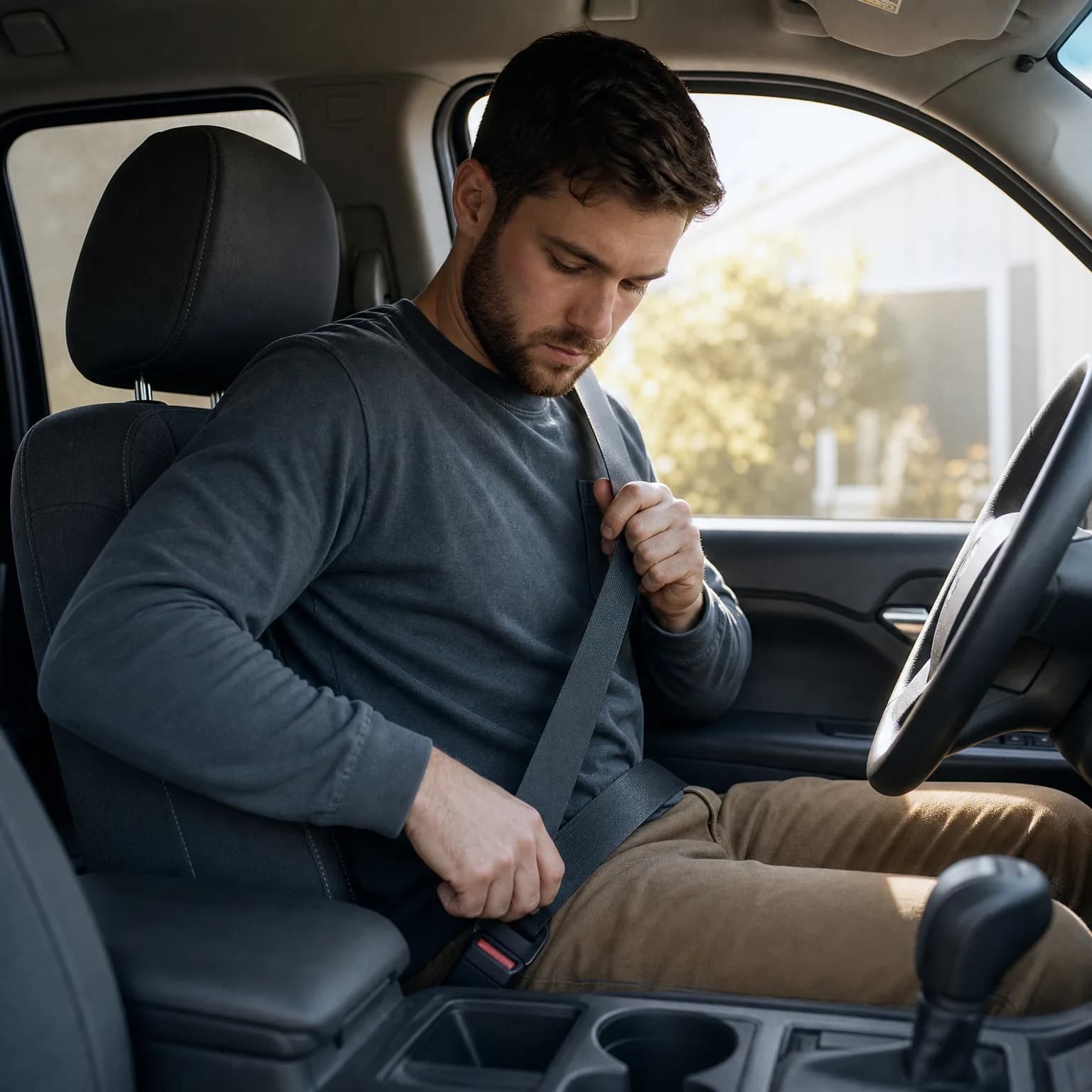
Tennessee's SR-22 filing posts to your driver record within 1–3 business days after your carrier submits electronically. You cannot complete reinstatement at Tennessee Department of Safety and Homeland Security until the SR-22 shows active in the state's system — appearing at the counter before the filing posts results in a rejected reinstatement and wasted trip. Most non-standard carriers email SR-22 confirmation within 24 hours of binding; use that confirmation to verify filing before scheduling your reinstatement appointment.
Reinstatement requires paying the base fee ($65 for standard suspensions, higher for DUI and habitual offender cases), presenting your SR-22 confirmation, completing any court-ordered requirements (alcohol treatment, DUI education, ignition interlock installation), and passing a vision test. Tennessee does not require retaking the written or road test for most suspension types, but the examiner has discretion to require retesting if your suspension exceeded 3 years or involved serious violations. Bring your suspension order, payment for fees, and proof of completed requirements to the Driver Services Center — missing documentation delays reinstatement by weeks. Your new license prints same-day after approval.
Compare Non-Owner SR-22 Carriers in Tennessee
Non-owner SR-22 pricing varies by $20–$40/month between carriers for identical coverage and driver profiles. The General, Dairyland, and Progressive quote non-owner policies online; GAINSCO and Bristol West require agent contact but often beat online quotes for drivers with DUI or multiple violations. Request quotes from at least three carriers before binding — the lowest standard auto quote does not predict the lowest non-owner quote because underwriting guidelines differ significantly between product lines. Carriers writing non-owner SR-22 in Tennessee without requiring a standard auto policy include Progressive, The General, Dairyland, GAINSCO, USAA (military-eligible), Geico (limited availability), and Bristol West. State Farm and Allstate write non-owner policies in Tennessee but typically exclude suspended-license applicants from eligibility, making them poor first-call options for reinstatement cases.
Getting a Non-Owner SR-22 Policy Bound in Tennessee
You cannot buy non-owner SR-22 policies through most standard carriers' online quote tools. State Farm, Allstate, and Nationwide in Tennessee either do not offer non-owner policies or restrict them to drivers with clean records, disqualifying most suspended license applicants. Non-standard carriers writing non-owner SR-22 in Tennessee include The General, Progressive, Dairyland, GAINSCO, Bristol West, and USAA (military-eligible only). These carriers expect suspended-license applicants and quote non-owner SR-22 as a standard product, not an exception.
The application requires your suspension order number, the specific violation code that triggered your suspension, and the SR-22 filing duration mandated by Tennessee or the court. If your reinstatement letter lists financial responsibility filing without specifying SR-22, clarify with Tennessee Department of Safety and Homeland Security before binding — some administrative suspensions require proof of insurance but not SR-22 filing. Binding the wrong product type delays reinstatement and wastes premium. Carriers file the SR-22 electronically with Tennessee same-day or next-business-day after binding; you receive a copy for your records but do not submit it yourself.
Get Your Free Quote
Get My Tennessee Suspended License Insurance QuoteFrequently Asked Questions
Can I get SR-22 in Tennessee without owning a car?
Yes. Tennessee accepts non-owner SR-22 policies for license reinstatement when you don't own a vehicle. Non-owner policies provide state-minimum liability coverage and the required SR-22 certificate filing without requiring vehicle ownership. Carriers file electronically with Tennessee Department of Safety and Homeland Security same-day or next-business-day after you bind the policy.
How much does non-owner SR-22 cost in Tennessee?
Non-owner SR-22 policies in Tennessee typically cost $25–$55 per month for state minimum liability limits. Clean-record suspended drivers pay toward the lower end; DUI filers and drivers with multiple violations trend higher. Non-owner premiums run 40–60% less than standard auto SR-22 policies because they exclude vehicle physical damage coverage.
Which insurance companies sell non-owner SR-22 in Tennessee?
The General, Progressive, Dairyland, GAINSCO, Bristol West, and USAA (military-eligible) write non-owner SR-22 policies in Tennessee for suspended-license applicants. Most standard carriers like State Farm and Allstate either don't offer non-owner policies or exclude suspended drivers from eligibility. Non-standard carriers expect SR-22 filings and quote non-owner as a standard product.
Does non-owner SR-22 cover rental cars in Tennessee?
Yes. Non-owner SR-22 policies provide liability coverage when you drive rental cars, borrowed vehicles, or any car you don't own. The policy does not cover physical damage to the rental vehicle — rental companies offer separate collision damage waivers for that risk. Your non-owner policy pays for injuries and property damage you cause to others, up to your liability limits.
How long does Tennessee require SR-22 filing after DUI?
Tennessee requires SR-22 filing for 3 years after DUI conviction, measured from the conviction date. The filing period does not start until you actually file SR-22 with the state — delaying the filing extends the total time you're monitored. Lapsed insurance and uninsured driving suspensions typically carry shorter SR-22 periods, but DUI triggers the full 3-year mandate under Tennessee Code.
What happens if my non-owner SR-22 policy lapses in Tennessee?
Your carrier notifies Tennessee Department of Safety and Homeland Security within 24 hours of any lapse or cancellation. The state suspends your license immediately and restarts your SR-22 filing period from zero. A single day without active SR-22 coverage forfeits all prior compliance time. You must bind a new policy, refile SR-22, pay reinstatement fees again, and restart the full 3-year clock.
Can I switch from non-owner to regular auto insurance and keep my SR-22 active?
Yes, but the transition must be seamless. When you buy a vehicle, bind the standard auto policy with SR-22 filing before canceling your non-owner policy. The new carrier files SR-22 electronically with Tennessee; once confirmed active, cancel the non-owner policy. Any gap between policies triggers automatic suspension. Most carriers allow same-day SR-22 transfer if you coordinate binding and cancellation timing carefully.